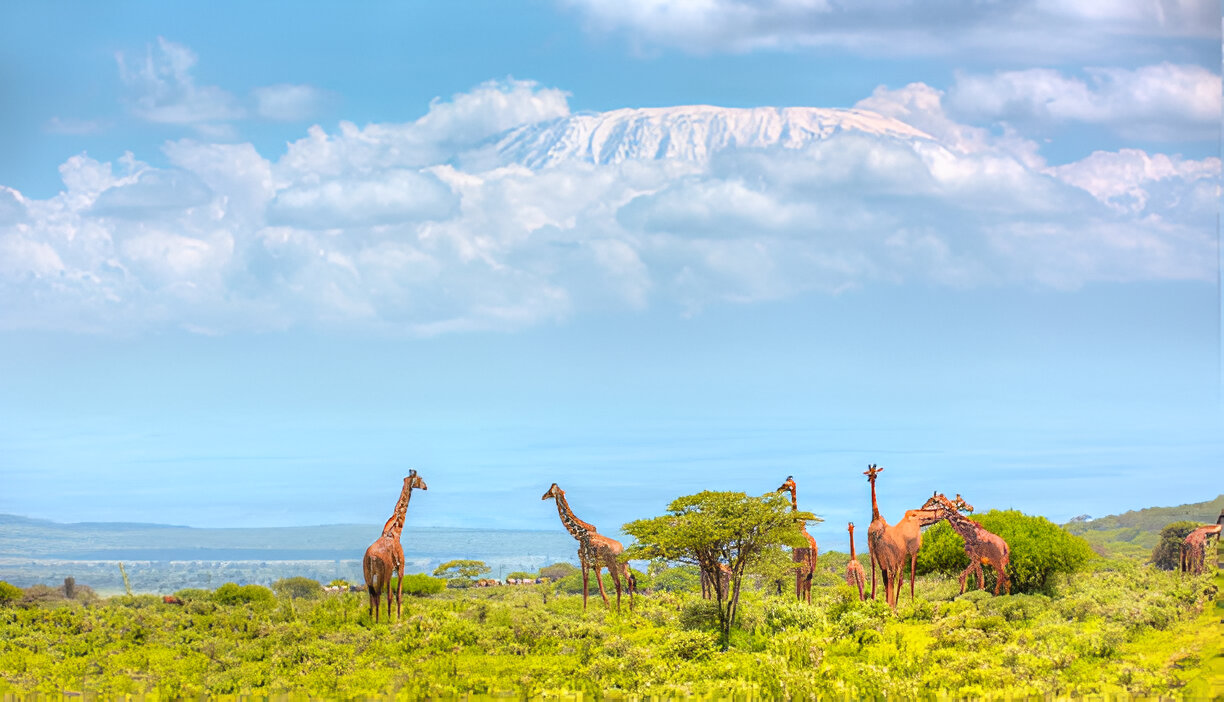

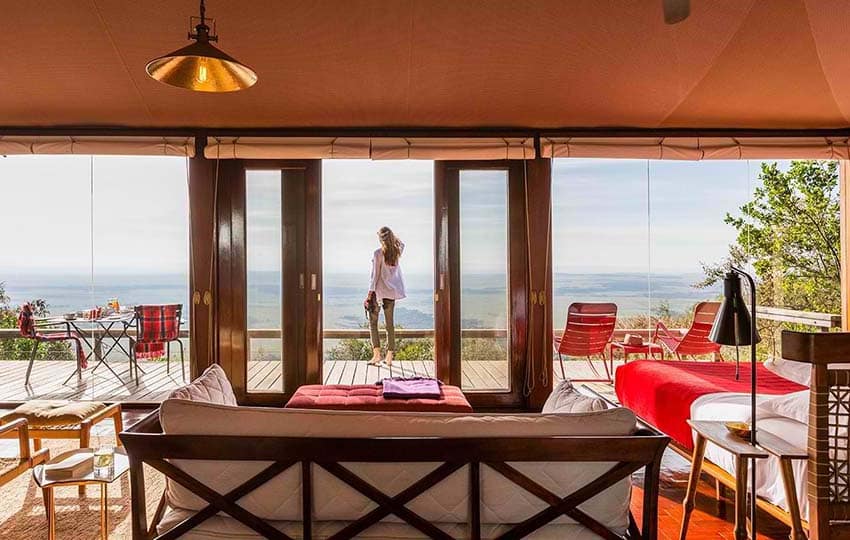


This luxurious journey starts in Nairobi, followed by breathtaking wildlife viewing in Amboseli, framed by the majestic Mount Kilimanjaro. Explore the unique culture of Laikipia Conservancy before concluding your safari in the iconic Maasai Mara, home to the Big Five and thrilling savannah action.
Location and park information
Nairobi
It is impossible to believe that just over 100 years ago the only visitors to the area which is now Nairobi were the Maasai
tribe, who used to water their cattle at a ‘boggy waterhole’. They called it Enkare Nyarobi – literally ‘the place of cold
water’. In the dying years of the 19th century as the Uganga railway forged its way through Kenya, the area became a
railhead for the assault on the eastern wall of the escarpment. Because of the swampy surroundings, the railway
workers camps rapidly turned into a shanty town, inhabited by rats which brought the plague, and it is doubtful if anyone
could envisage that one day this would become the ‘City in the Sun’.
Between the 1903 and 1908 potential settlers arrived in Kenya responding to the promise of cheap agricultural land
(which did not strictly belong to the government to give away) and many wealthy sportsmen arrived to hunt the game.
Hotels sprang up to cater for the visitors and the base for the valuable tourist industry was laid during those early years.
In 1950 Nairobi became a City by Royal Charter, the streets ablaze with flowering trees and shrubs and to this day the
flowering jacaranda trees in the later months of the year are one of Nairobi’s great attractions.
Nairobi is now a city of around 3 million people and the heart of the commerce and industry for the whole of East Africa.
Over the years the city has developed with modern infrastructure, the expected high rise buildings, tourist hotels and
many places of entertainment. Additionally Nairobi has a near perfect climate, lying 144 km south of the equator at an
altitude of 5451ft (1662m) and 494 km from the shores of the Indian Ocean. The city has maintained its cosmopolitan
ambience which is apparent, not only in the different races and communities who work in and around the city, but also in
the architecture and variety of religious buildings, churches, temples, mosques, synagogues.
The range of attractions and places to visit are amazing. A typical day could perhaps start with a tour of the city, including
visits to the excellent Railway Museum with its records of the history of the railway (which is also the history of the
country). Here visitors may see the carriage from which an unfortunate Superintendent for the Railway was dragged by a
man-eating lion in the year 1900.
The National Museum of Kenya has fine exhibits of East African fauna, birds, fish and reptiles as well as collection of
cultural merit. An organised tour may also include visits to the City Hall and Law Courts, the bazaars and the markets
with their colourful displays of locally grown fruit and flowers as well as handicrafts and many different centres of worship,
including the spectacular Jamia Mosque. A visit should be paid to the Memorial Park, created in memory of the many
victims of the inhumane bombing of the American Embassy and nearby buildings on 7 August 1998.
This is the only city in the world which has a National Park on its doorstep, and within a short drive visitors enter completely a different world
– the Nairobi National Park. Lion, cheetah, buffalo and rhino as well as more common plains game like gazelles, zebra,
ostrich and giraffe live within the park.
Many will have heard of the film ‘Out of Africa’ which starred Meryl Streep as Karen Blixen and Robert Redford as her
lover, Denys Finch Hatton. The well developed suburb of Karen takes its name from the author, and any visit to this area
should include a visit to her old home set ‘in Africa, at the foot of the Ngong Hills’.
A short distance away, the Giraffe Centre, where the history of the endangered Rothschild Giraffe (which include the
famous ‘Daisy Rothschild’) can be studied and the descendants of the family can be fed, will also appeal.
A morning visit can be paid to the famous Daphne Sheldrake orphans, tiny elephant, rhino and occasionally a kudu
which have been rescued from the wilds and are brought up until they are capable of returning to the bush.
Within the environs of Nairobi there are several excellent golf courses (one running alongside the main highway
opposite the city centre); a proliferation of social clubs offering facilities for cricket, tennis, field hockey, squash, rugby
and swimming and a popular race course set alongside the indigenous forest.
The unique and popular Carnivore spit roast complex on the edge of the game park offers game meat as a speciality, in
addition to the more normal roasts expected by dedicated meat-eaters.
As a ‘Safari capital’ of East Africa, Nairobi has more than enough to entertain any visitor for several days, either before or after their planned safari.
Masai Mara Game Reserve
Probably the most famous of the reserves, the Masai Mara, in Kenya’s south western corner, boasts an astonishing
amount of game. Unfenced, the Mara is bounded in the east by the Ngama Hills and in the west by the Oloololo or Siria
Escarpment. Gazelle, wildebeest and zebra graze in large numbers and where prey is found so are predators. Not only is
this a great place in which to find game, but the wide greeny-gold savannahs spotted with thorn trees make it ideal for
photography.
The Mara, as it is known in Kenya, is ravishingly beautiful and also offers long, undisturbed views and
utterly dramatic panoramas. The weather really means something here. The sun may beat down unforgivingly, huge
clouds in fabulous shapes may sweep across the widest of skies, the wind ripples the grasses as though they are
stroked by a giant hand. The landscape is stunning.
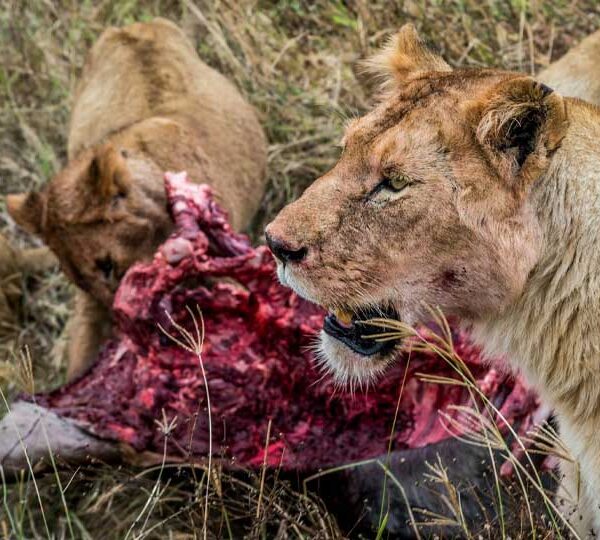
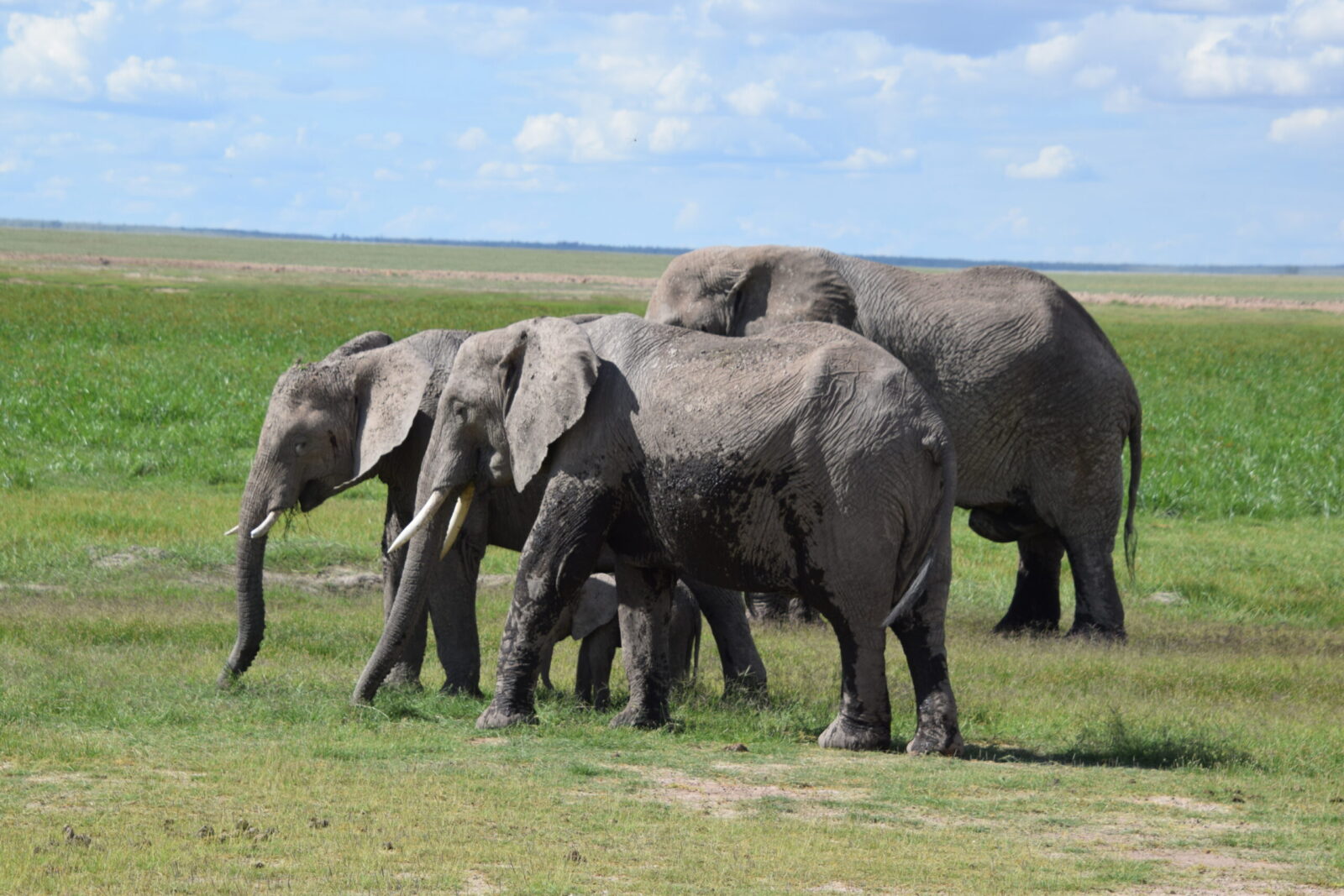
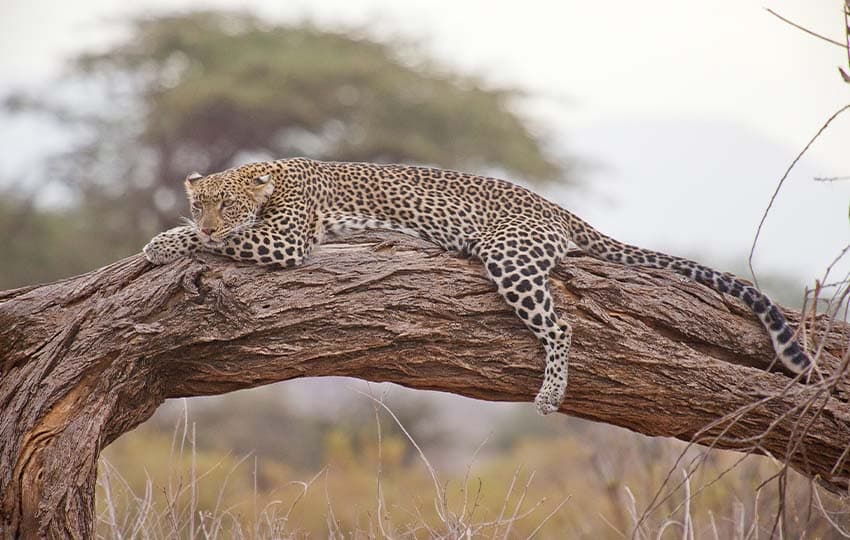
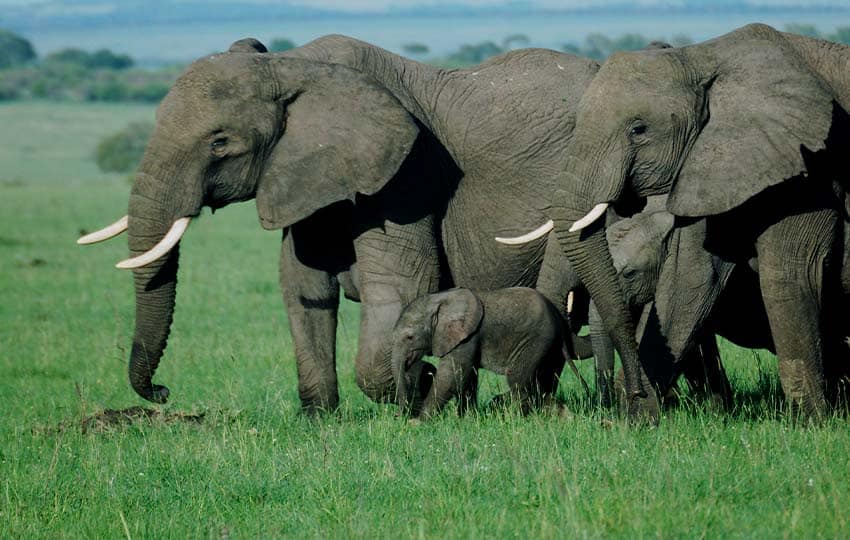
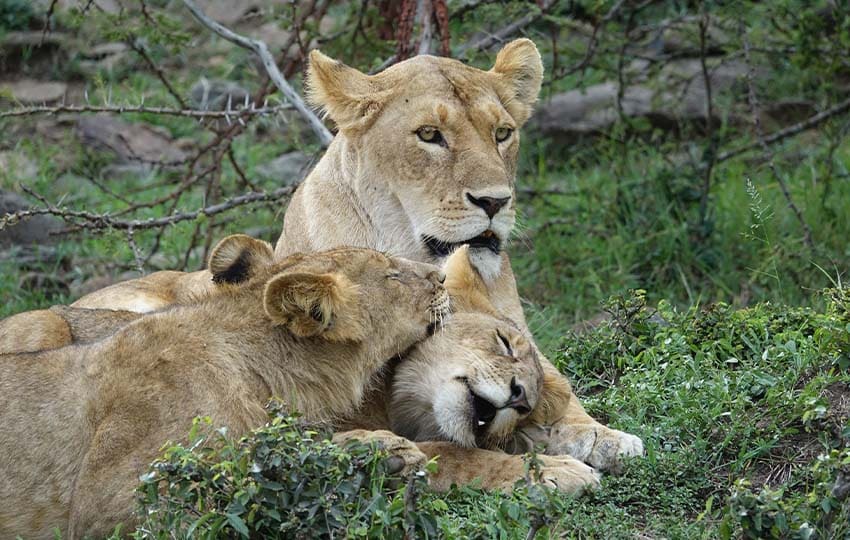
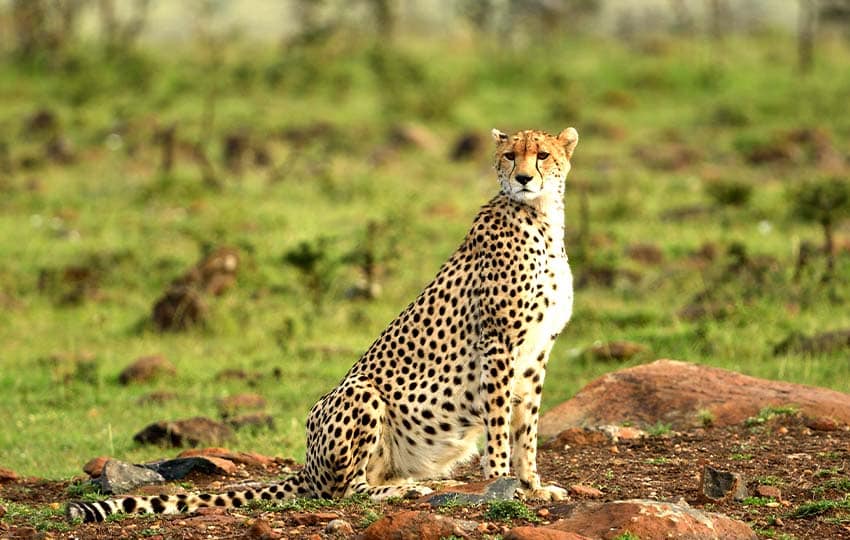
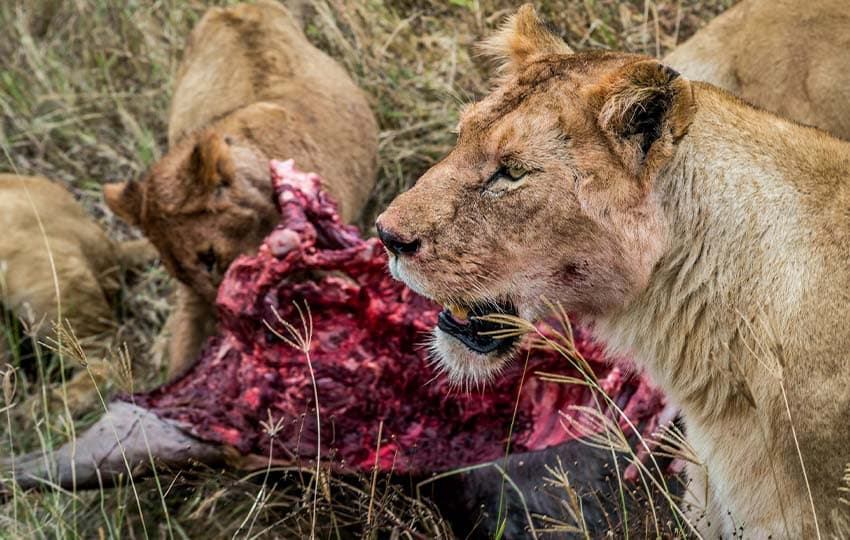
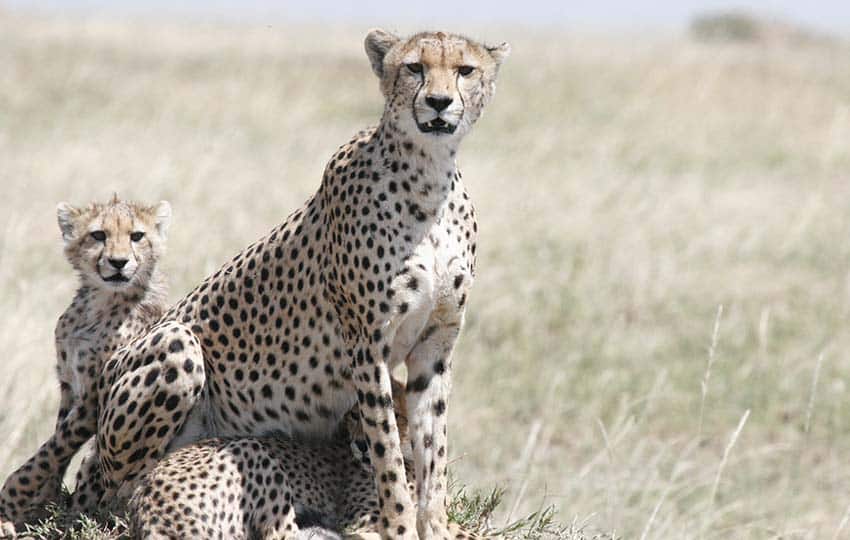
The famously black-manned Mara lions are possibly the stars of the Mara show, but cheetah, elephant, kongoni, topi, Thompson’s gazelle, waterbuck, hyena, and primates are all here too. As with the rest of Kenya, the birding is good.
There is no settlement within the reserve however; the Mara is in theory owned by the Maasai, pastoralists and, in earlier
times, renowned lion-killers. Lodges and hotels offer the opportunity to buy their beadwork, checked cloths and copies of
their spears. It is said that if lions scent approaching Maasai on the breeze they move swiftly in the opposite direction.
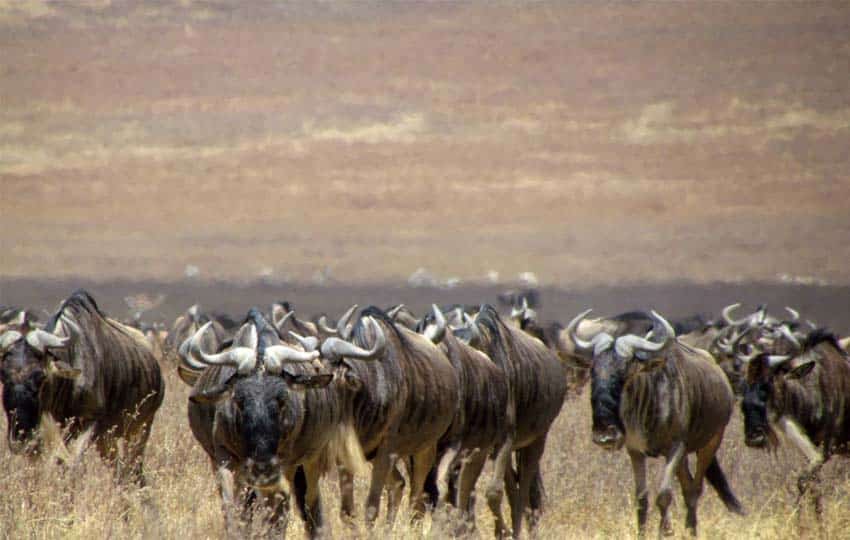
Famously, the Mara is the northerly end of the Great Migration, that great primeval surge of wildebeest, zebra and
antelope that sweeps in from Tanzania’s Serengeti to Kenya’s Masai Mara as the Tanzanian grass starts to fail. They are
tracked by the large predators who pick off the weak, the stragglers and the young.
The great herds, nearing their destination by July, mass along the Mara River, pushing, shoving and fantastically noisy, just waiting for the first animal to cross so that they can all follow, lemming-like, on the final leg of the journey. However, crocodiles lie in wait, sluggishly
cruising the waters, fully prepared for their best meal of the year. Many fail in the life-and-death struggle – drowned, eaten
by the crocodiles or, made careless or weak by their stressful swim, brought down by lions. The Masai Mara is terrible
yet wonderful, and not to be missed.